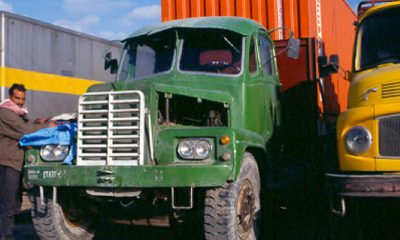
United Kingdom:
1916 -
1979The origin of the British AEC trucks is an exception to the usual rule. In the early 20th century buses were built on ordinary truck chassis, but AEC trucks appeared the other way round. In 1908 three London motor omnibus operators merged into the London General Omnibus Company (LGOC), which owned most of the capital's buses: 885 of 1,066 in the year of its foundation. In 1909, in the premises of one of the partners, the transport company Vanguard in Walthamstow near London, assembly of the first "X" type buses began, using components from three British firms: Daimler, Wolseley and Tilling-Stevens.
After 12 June 1912 LGOC came under the control of the company operating the London Underground. The new management decided to separate bus production into an independent firm, associated with the main transport company, and named it the Associated Equipment Company (AEC).
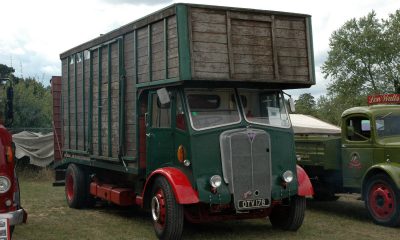
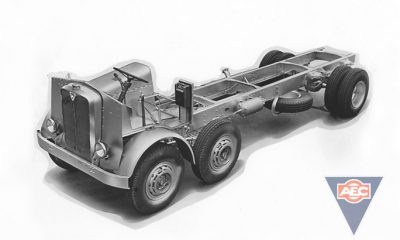
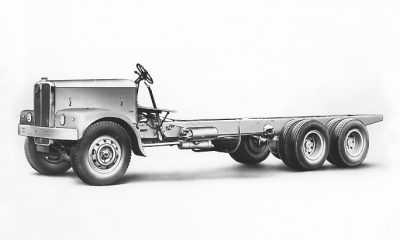
In its first years it only assembled buses. The idea of using their chassis for trucks appeared in the first days of World War I, but the first batch of 3-tonne (6,614 lb) AEC "Y" type army trucks was built only in 1916. In 1926, because of the worsening economic situation, AEC signed a cooperation agreement with Daimler and created a second associated company, the Associated Daimler Company (ADC). Until 1928 it built trucks and buses on AEC chassis with Daimler engines. The partners disagreed over new developments and continued independently two years later.
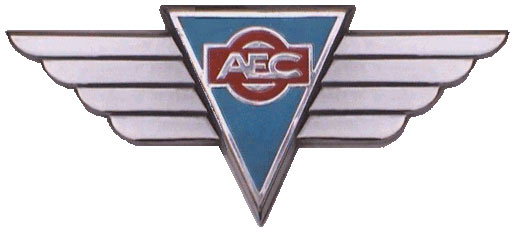
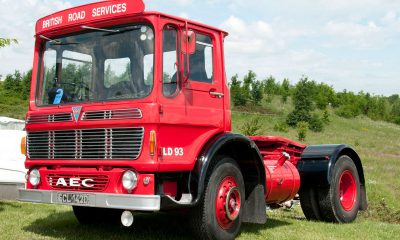
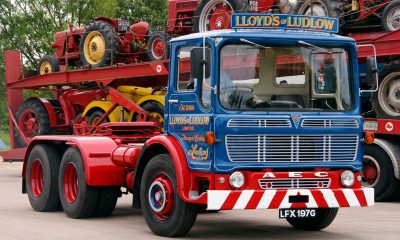
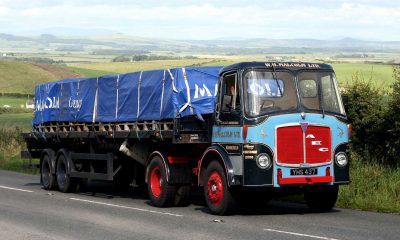
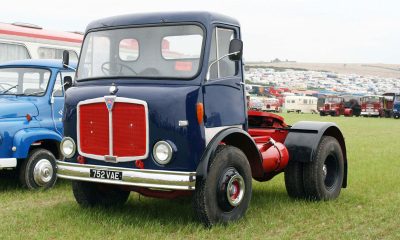
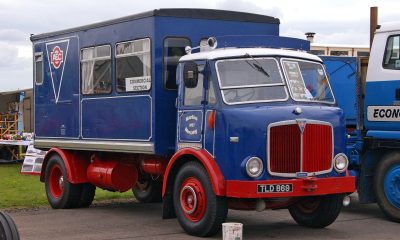
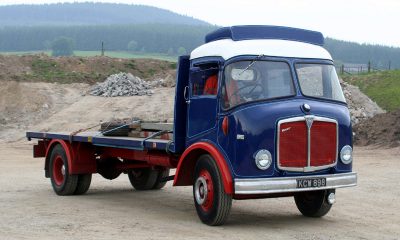
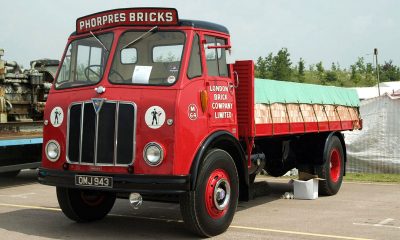
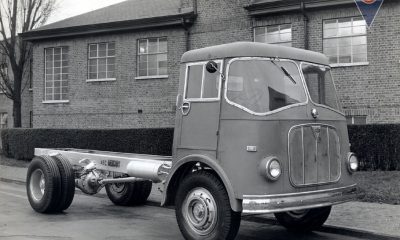
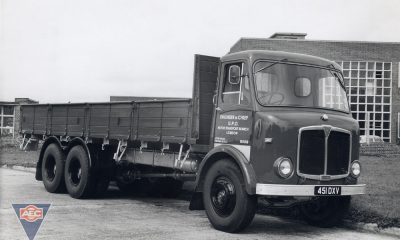
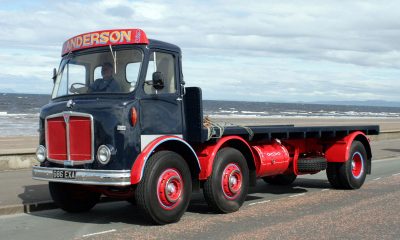
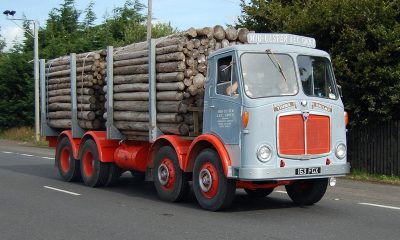
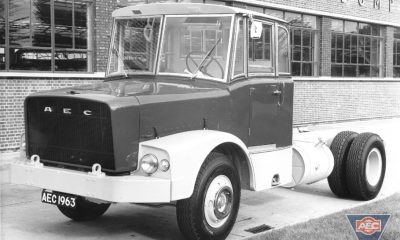
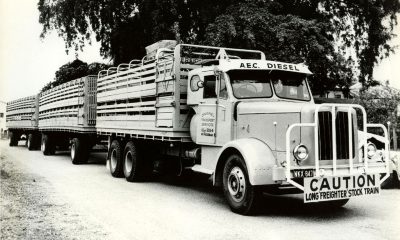
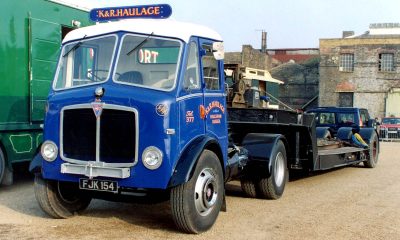
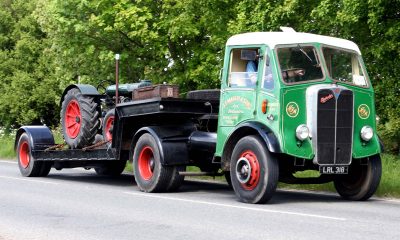
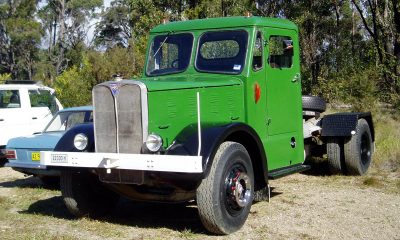
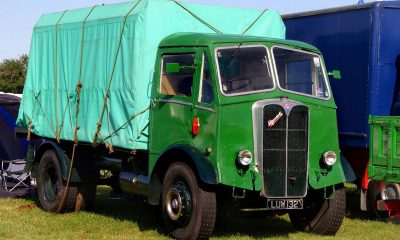
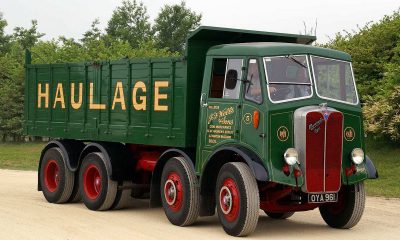
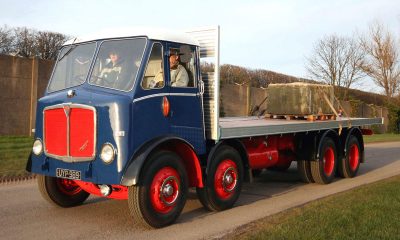
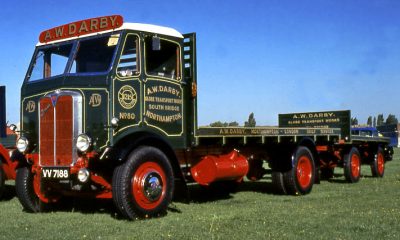
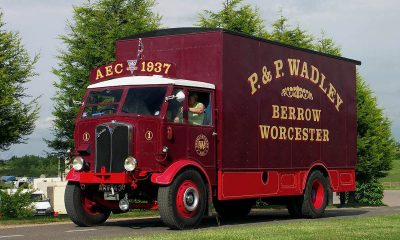
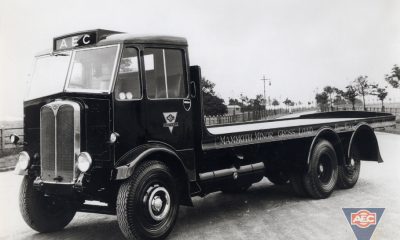
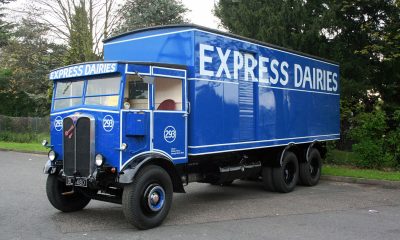
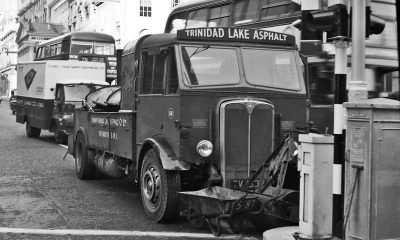
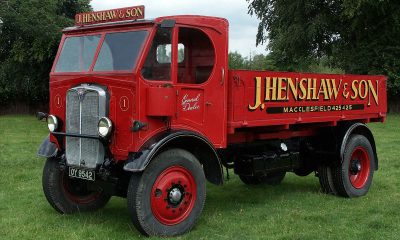
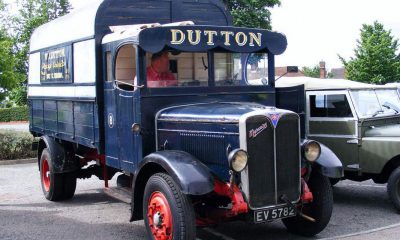
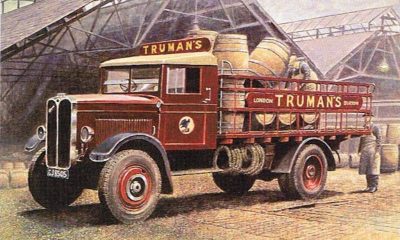
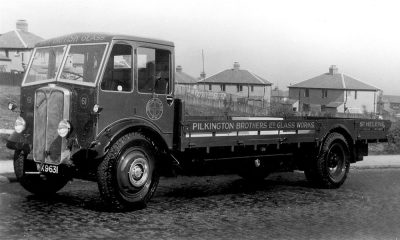
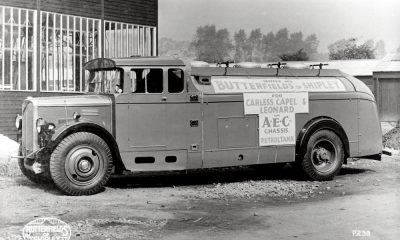
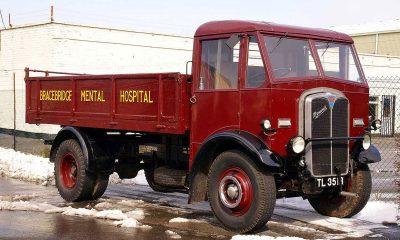
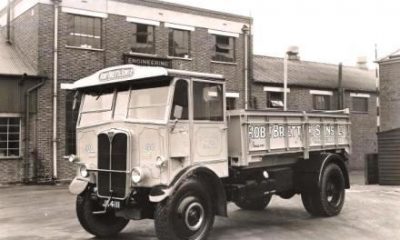
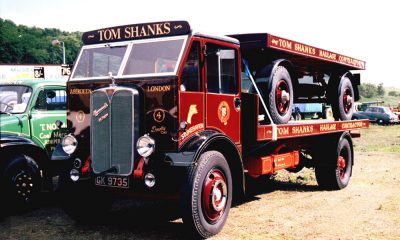
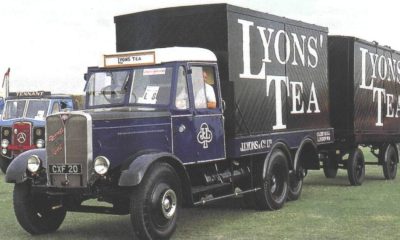
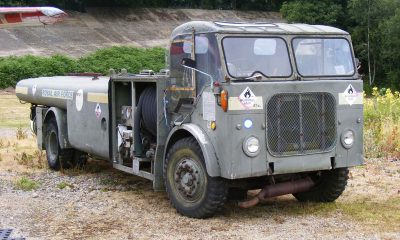
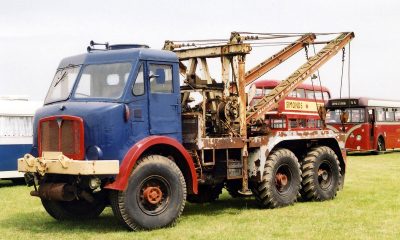
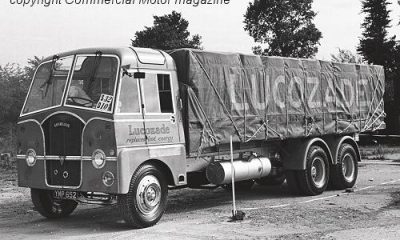
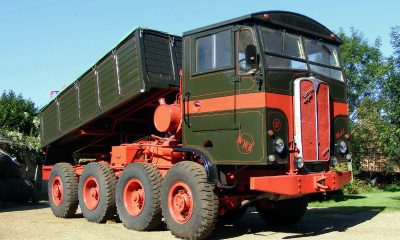
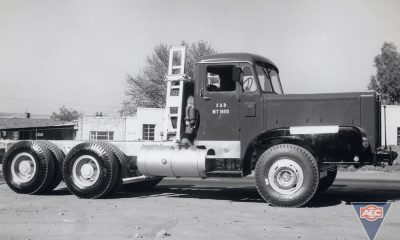
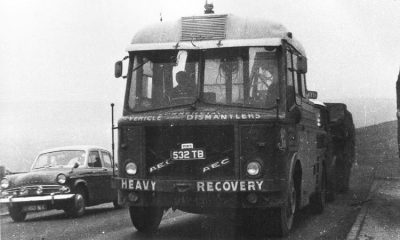
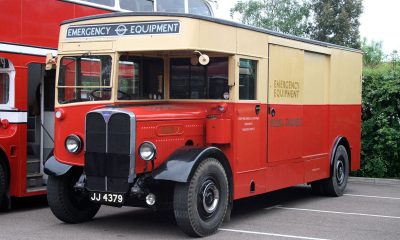
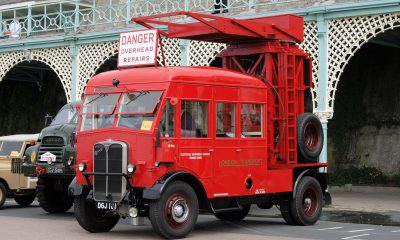
From 1933 a wide range of trucks was built at Southall under the well-known red-and-blue AEC badge in the form of an inverted triangle. At the same time the "R" series buses, whose names began with this letter, made the red double-deckers an integral part of London.
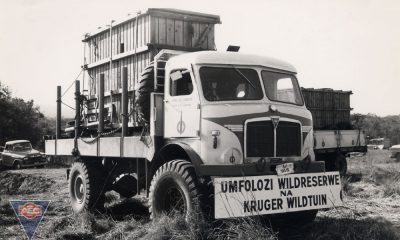
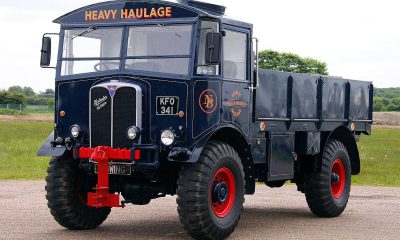
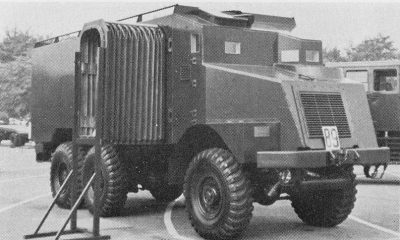
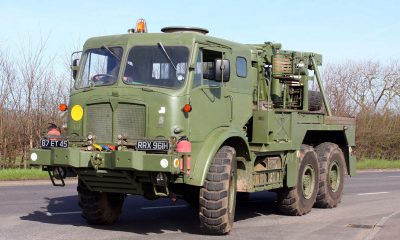
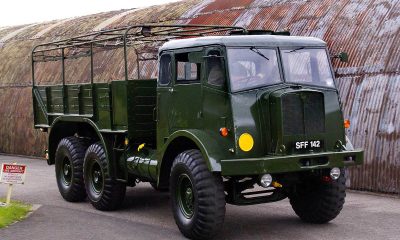
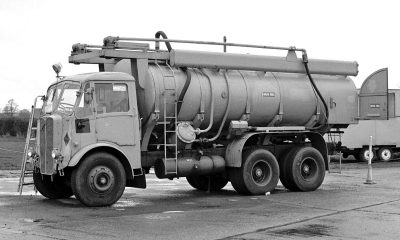
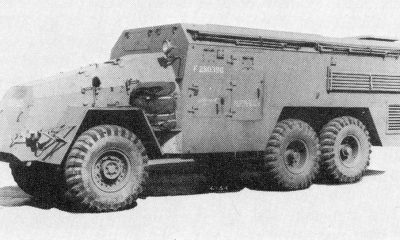
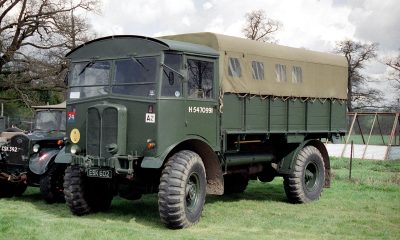
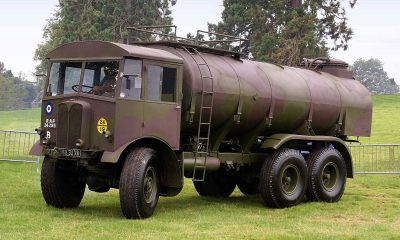
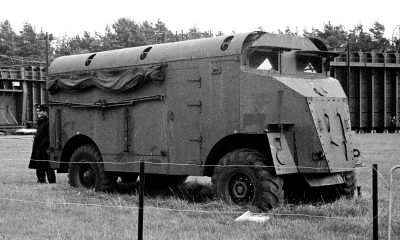
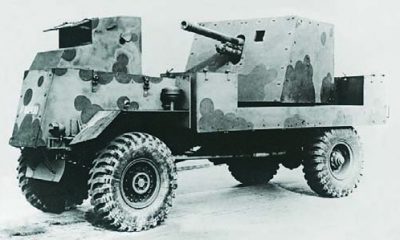
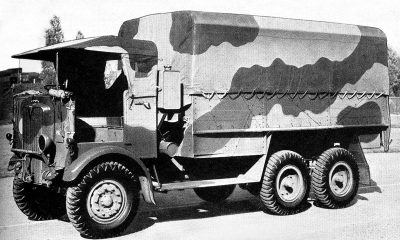
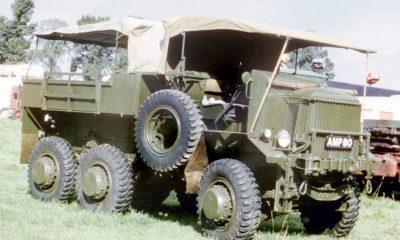
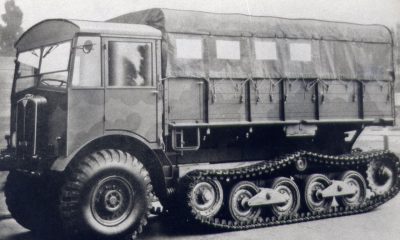
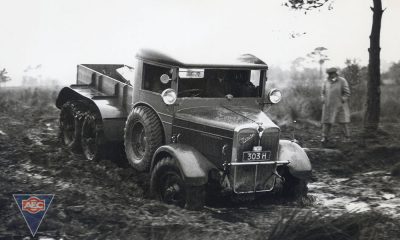
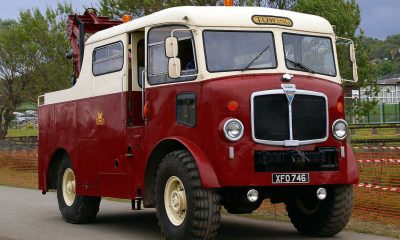
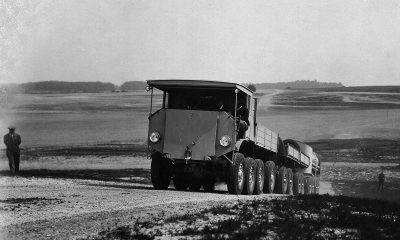
After the English branch of the American company FWD was taken over in 1929, AEC began work on all-wheel-drive vehicles. During World War II the company supplied the British Army with diesel Matador (4×4) artillery tractors and 3-tonne (6,614 lb) petrol Marshal (6×6) trucks. By the end of the war AEC had built for the military 10,500 trucks and more than 600 armoured cars, and also produced diesels for Valentine tanks and other military equipment.
After the war the company strengthened its position by continuing to buy small firms, a policy started in 1937 with Hardy. In 1948 it bought Maudslay, whose models it had already been unifying with its own for several years. Crossley was absorbed next, and in 1949 the bodybuilders Park Royal and Charles H. Roe. At the same time the official company name was changed to Associated Commercial Vehicles Ltd (ACV), but the AEC trademark stayed on the vehicles.
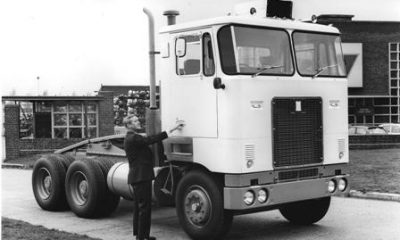
In 1961 the large British firm Thornycroft, which built a wide range of road and off-road vehicles, was acquired. In August 1962 the combined group was itself taken over by the Leyland Motors concern. The era of independence ended, and a rapid decline of AEC began. Its vehicles kept their well-known names but gradually lost their individuality and became similar to all other Leylands. AEC was fully integrated into the group as the Truck and Bus Division of British Leyland Vehicles, and only old chassis with Leyland engines kept the AEC name.
The AEC badge disappeared from most trucks in 1977, and from buses a year and a half later. The last vehicle to carry it was the Leyland Marathon truck, built at Southall until the plant closed in 1979.
Read more